
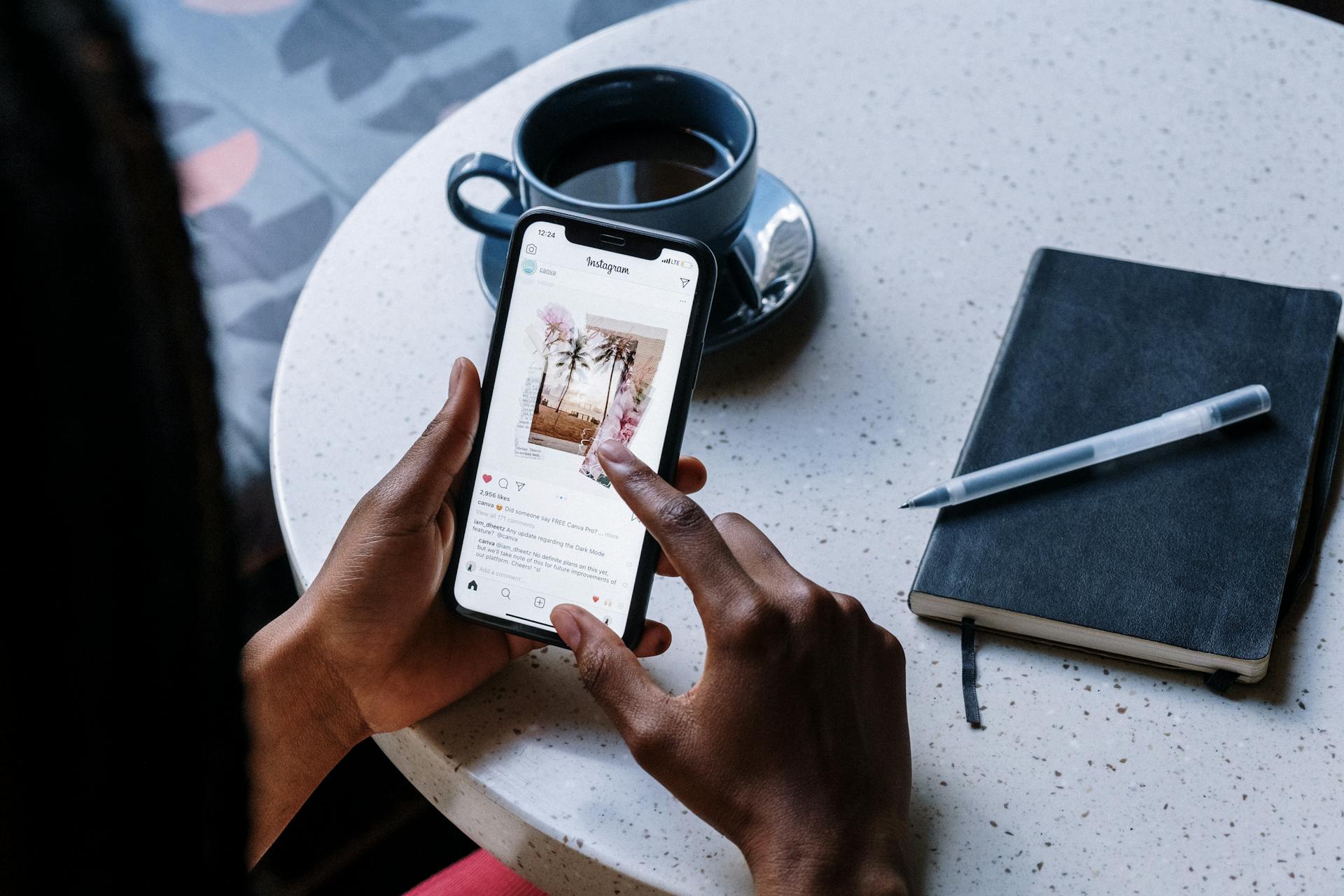
The Hidden Traps Behind Fake IG View Sites: What Hackers Don’t Want You to Know
If you’ve ever been tempted to speed up your Instagram growth, you’ve probably seen those glossy sites offering quick engagement. Well, some are trustworthy. But the real danger starts when hackers mimic these platforms, especially the ones pretending to teach you how to buy Instagram views, and use them as bait to steal passwords. It’s sneaky, and tech-wise, it’s smarter than most people expect. Here’s how these traps work, and how you can keep your information safe before a fake page grabs more than you bargained for.
How Fake IG View Sites Trick Users With Familiar Interfaces
A convincing design fools people fast. Hackers recreate Instagram-style login screens to make your brain relax. You see the colors, the layout, and your guard drops. The moment you type in your info, they capture it instantly. Some of these pages even redirect you back to Instagram afterward. That way, nothing seems suspicious. You’re logged in. Everything looks normal. Meanwhile, someone on the other side has your credentials and may already be probing your account for access points. It’s unsettling how quick it happens.
The Tech Behind Their Password-Stealing Tactics
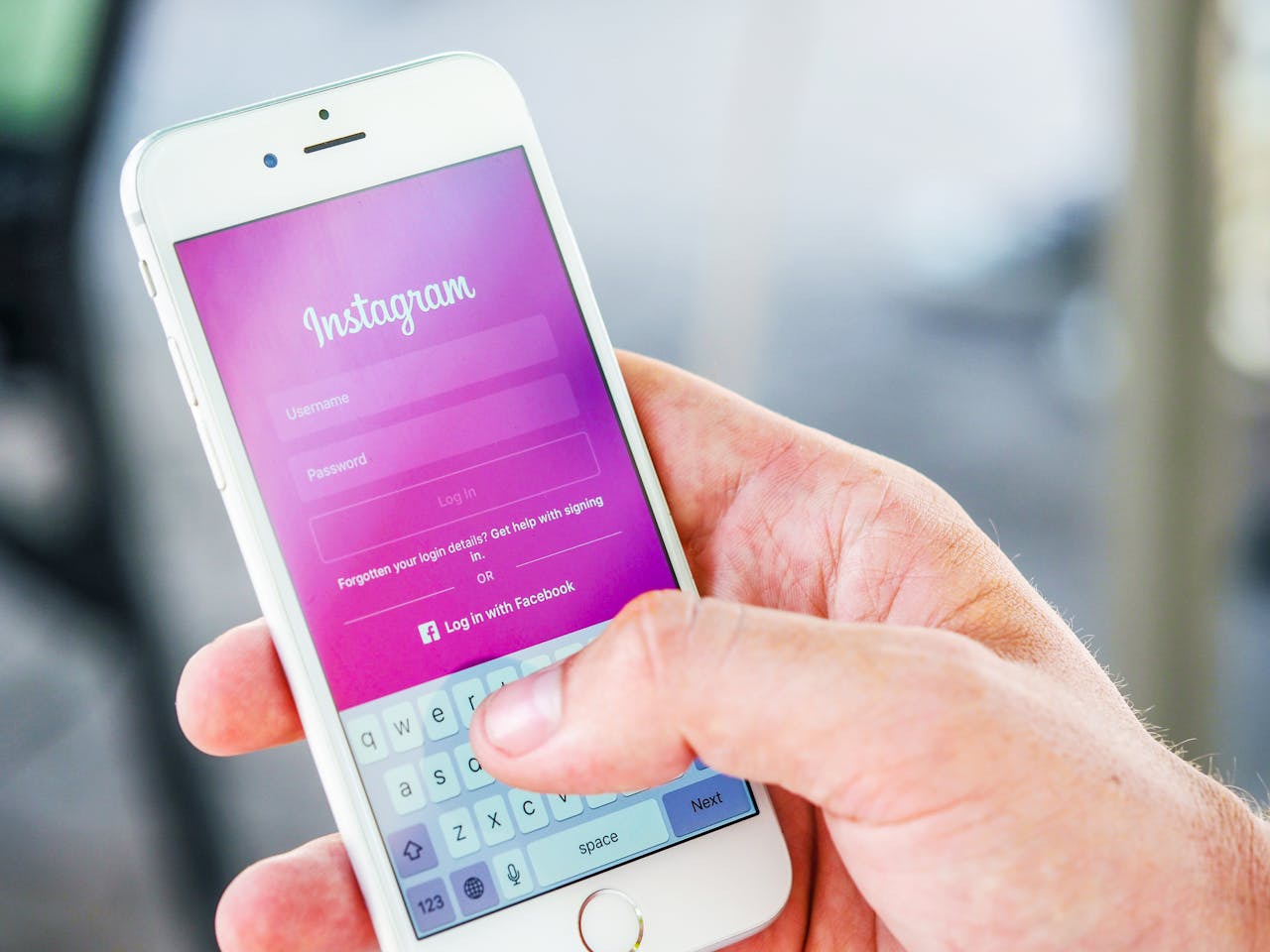
Hackers rely on code that records input fields. It’s basically a digital vacuum sucking up whatever you type. They also run scripts that imitate account-verification messages, tricking you into sharing more details. Another method is cookie theft. If the fake page asks you to “verify your device” or “refresh your session,” that’s often a trap. They grab your session data and slip in without the password at all. It’s the digital version of someone swiping your house keys while hugging you. Sounds dramatic, but it’s accurate.
How to Spot These Fake Platforms Before They Catch You
The biggest red flag is any site asking for your Instagram login outside of Instagram’s official app. Instagram never requests your password through third-party panels. If a page insists, close it immediately. Watch for odd grammar, cheap design, or layout glitches. Some scammers try hard, but you’d be surprised how many overlook the basics. A link that sends you in circles is another warning sign. These loops are used to distract you while data is already being collected in the background.
Safe Tech Habits That Protect Your Account Long-Term
Start with two-factor authentication. It adds friction, but it’s worth it. A hacker can grab your password, but without the second code, they’re stuck. Think of it as adding a second lock to your digital front door. Also, change your password consistently. It keeps your account fresh and harder to break into. Use unique combinations that don’t resemble your other logins. A friend once reused the same password for four accounts. One breach later, he spent a whole weekend resetting all of them while regretting his choices loudly.
Why Knowing the Difference Between Safe and Fake Matters
Not all online services are scams. Some legit platforms help users boost content with real engagement. That’s why people researching growth options often compare reliable platforms with suspicious ones. Some turn to reputable tech-oriented resources that break down safe choices. These sites help users avoid traps and stay away from shady pages pretending to offer engagement boosts while attempting to harvest passwords. If you deal with anything offering IG views, tread with caution.…