
The YouTube Creator Tech Stack of 2030: Tools That Don’t Exist Yet
If you think today’s YouTube gear setup is advanced, just wait until 2030. The creative landscape is shifting so fast that by the end of the decade, the tools creators depend on may look almost unrecognizable. Cameras will think like directors, editors will collaborate with AI co-pilots, and entire production cycles could become semi-autonomous. Imagining this future isn’t just fun—it’s a sneak peek at how digital creativity may evolve as technology pushes boundaries and reshapes what it means to be a creator.
AI Co-Directors Guiding Every Shot
By 2030, creators may lean on AI co-directors that analyze lighting, camera angles, pacing, and mood in real time. These systems could make on-the-fly suggestions or even auto-adjust settings to achieve a particular cinematic style. As channels become more competitive and creators explore strategies like learning how to buy YouTube likes to increase video’s visibility to give their uploads traction, having an AI assistant that ensures every shot looks professional could become the norm. These tools won’t replace creativity—they’ll expand it.
Emotionally Adaptive Editing Suites
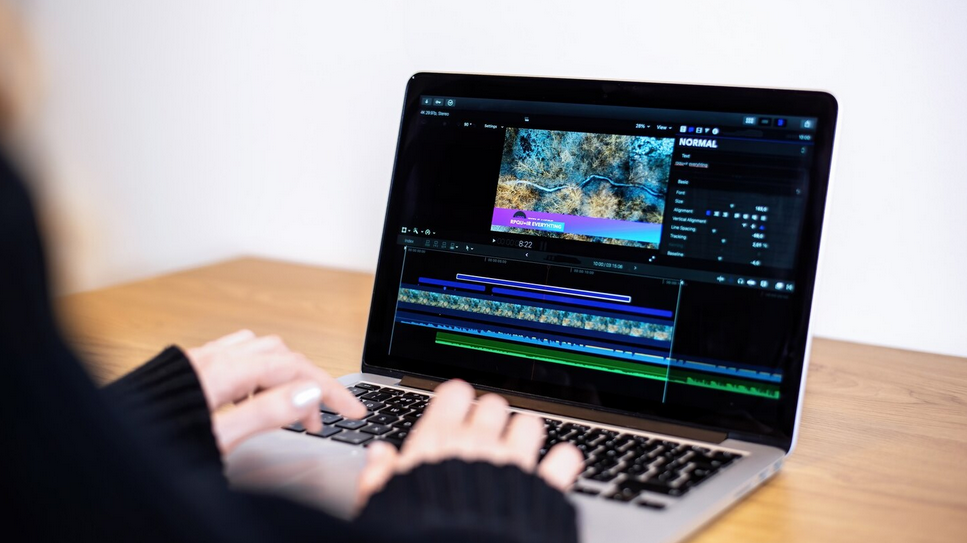 Imagine an editing program that doesn’t just cut footage but understands emotional beats. Future editing software could detect when a scene should feel suspenseful, warm, or comedic and assemble transitions, music, and pacing automatically. Creators would still guide the final tone, but the grunt work of searching for clips, adjusting audio, and tweaking timing could be handled by emotionally aware algorithms. This shift frees up mental space for creators to focus on storytelling rather than mechanics.
Holographic Workspace Environments
Instead of editing on flat screens, creators might step into a holographic workspace where timelines, assets, and effects float in three-dimensional space. Moving clips around could be as intuitive as rearranging objects on a desk. Holographic interfaces may also enable more immersive collaboration, letting teams work together in shared virtual spaces regardless of where they physically are. Creativity becomes tactile, spatial, and deeply interactive.
Predictive Performance Dashboards
 Analytics won’t just show what happened—they’ll show what will happen. Predictive dashboards could forecast how a video will likely perform based on title phrasing, thumbnail composition, and even cultural trends. Before hitting publish, creators could see a projected view count curve or engagement estimate and adjust accordingly. With this data-driven foresight, creators won’t have to guess whether their video will resonate; they’ll have actionable insights before it even goes live.
Autonomous Micro-Studios at Home
By 2030, home studios could be fully automated environments that recognize creators as soon as they walk in. Lights adjust to their preferred setups, microphones optimize acoustics based on mood or script, and cameras track movement without manual input. These micro-studios could sync directly with AI editing suites and predictive dashboards, creating a seamless production loop from recording to publishing. For creators who juggle multiple uploads a week, automation could make the process smoother and more sustainable.
The YouTube creator tech stack of 2030 won’t just be more advanced—it will fundamentally change how creators think, work, and produce. With AI collaborators, holographic interfaces, predictive tools, and automated production spaces, creativity becomes faster, richer, and more accessible. While no one can predict every innovation coming down the pipeline, one thing is certain: the next generation of YouTube tools will empower creators to dream bigger and execute their visions with unprecedented precision.